
DEEP DIVE
The largest, oldest trees in these forests do a startling amount of work for the climate, for clean water, and for wildlife. And right now, a single rule stands between many of them and the chainsaw.
The 21-Inch Rule, and what is at stake
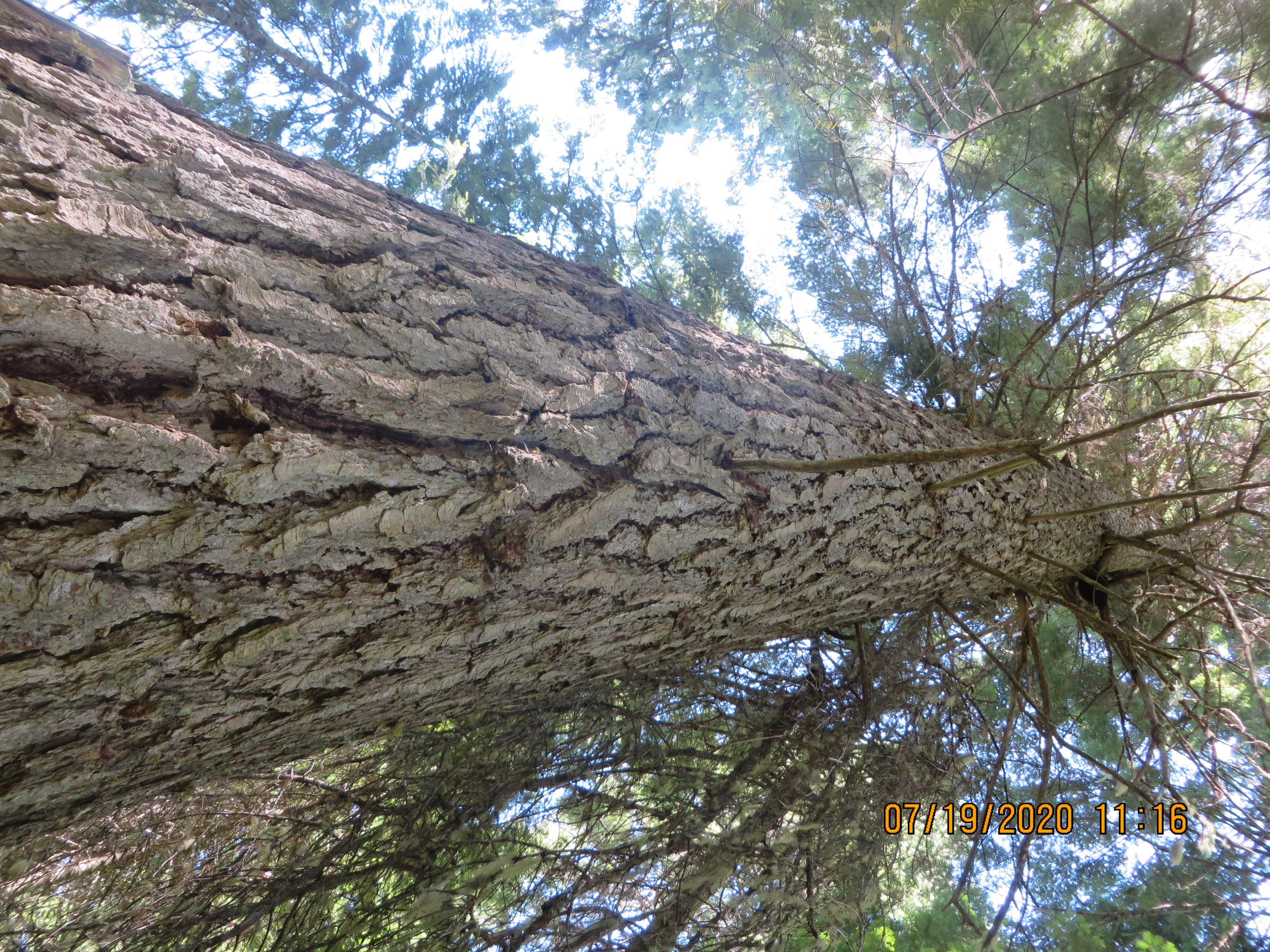
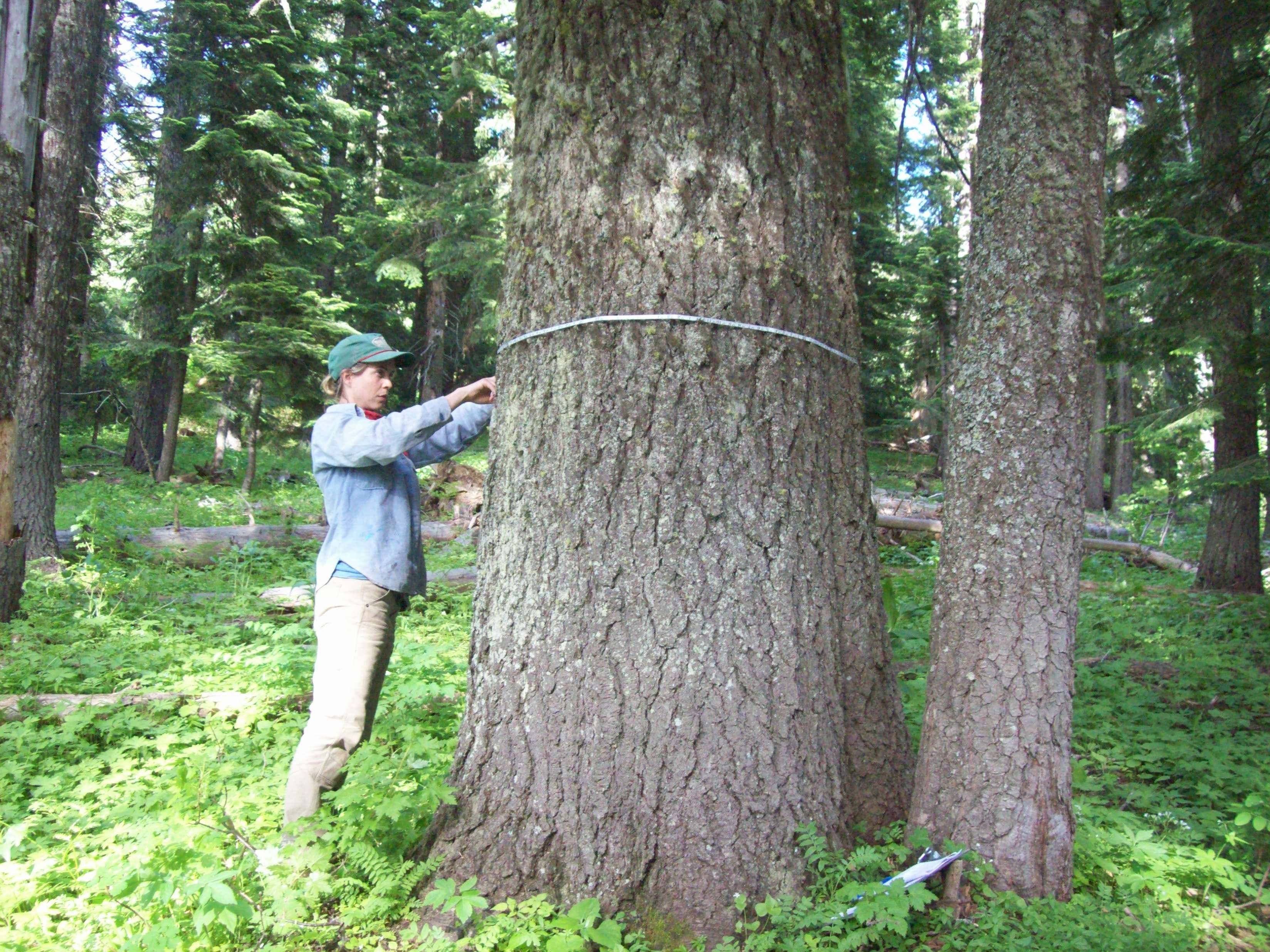
For three decades, a measure known as the “21-Inch Rule” has helped protect trees larger than 21 inches in diameter across the national forests east of the Cascades. It is a modest rule: it safeguards only about 3 percent of the trees in these forests — the very biggest ones. But those 3 percent of trees store more than 42 percent of all the aboveground carbon in the region’s forests.
There is no ecological basis for logging large old trees, and there’s a great deal of science for keeping them standing. Nonetheless, the Forest Service has been using loopholes to cut big trees since the rule was put in place, and now proposes to remove this rule altogether in the forest plan revision.
Big trees are the climate’s safest vault
It is tempting to picture old trees as finished growing, carbon reservoirs slowly winding down. The opposite is true. A global study of more than 400 tree species found that a tree’s growth rate keeps increasing with size: the bigger a tree gets, the more carbon it pulls from the air each year. At the extreme, a single large tree can add as much carbon in one year as is contained in an entire mid-sized tree. Large trees are not just carbon storage; they are carbon’s most active workers.
In eastern Oregon, big trees of most species, including grand fir, develop thick, fire-resistant bark as they age, which makes them the safest long-term place in the whole forest to keep carbon locked away. Once that carbon is logged and released, it cannot be recovered on any timescale that matters for the climate.
Old forests do far more than store carbon
They keep water clean and steady.
Large trees in mature and old forests act like sponges, soaking up water and releasing it slowly through the dry summer months. Forestlands supply most of Oregon’s surface drinking water, and nationwide more than 136 million people depend on national forest lands for some of their drinking water. Protecting high-priority forests protects the water that flows out of them.
They are home to the animals that need forests most.
Big living trees, big standing dead trees (snags), and big downed logs are the richest wildlife habitat a forest produces — for denning, nesting, roosting, and hunting. Western forests are already short on large snags relative to what cavity-nesting wildlife need. Logging tends to remove exactly the large trees that would otherwise become these irreplaceable habitat features.
They cool the forest down.
Forests buffer temperature extremes, and the effect is powerful. Research in eastside forests found that moist fir, spruce, and hemlock forest types ran about 12°F cooler in summer than dry ponderosa pine types. Opening a closed forest canopy lets in sun and wind, dries out the understory, and raises ground temperatures. As heat waves grow longer and more intense, the shade and cool of intact old forest become a refuge — for wildlife, and for us.
Letting forests grow is climate action
Protecting mature and old forests (and letting today’s mature forests grow into tomorrow’s old ones) is one of the most effective and lowest-cost climate strategies available.
After fossil fuel emissions, logging is the second-largest source of greenhouse gas emissions globally, and the single largest source of carbon emissions in Oregon. The sooner these forests are protected, the more climate protection they can provide.
Protecting mature and old-growth forests is a powerful solution for confronting the twin crises of climate change and biodiversity loss.
— Adapted from Mildrexler et al. (2023), Conservation Science and Practice
Read Next: Wildfire & Logging
Ready to speak up for big trees?